.png)
Flexofc Journal
What Are the 3 Types of Offices? A 2026 Guide for Growing Businesses
.png)
Choosing the wrong workspace model doesn't just waste time—it quietly inflates your operational costs. An early-stage team can easily get locked into paying for unused square footage, while a scaling enterprise loses months negotiating long-term commercial leases, interior fit-outs and facility management contracts.
Whether you need five desks next week or an entire customized floor for 100 employees next quarter, commercial real estate generally breaks down into three core models: Traditional Leased Offices, Coworking Spaces and Managed Offices.
Understanding how these three models compare on CapEx, flexibility and day-to-day management can save your company millions in unnecessary expenses.
1. Traditional or Leased Office
A traditional office is the conventional commercial real estate setup. You lease bare-shell or semi-furnished commercial property directly from a landlord. Your company takes total responsibility for designing the layout, hiring interior contractors, procuring furniture, installing IT infrastructure and managing day-to-day operations.
It offers complete autonomy, but comes with a long list of operational responsibilities.
Best Suited For:
Established companies with stable, predictable headcount
Businesses planning to stay in one location for 5+ years
Organizations requiring specialized infrastructure or maximum security
Enterprises with dedicated in-house facility and real estate teams
Example: A 150-person enterprise with stable headcount planning to stay in the same city for six years will benefit from a conventional lease. A 12-person startup expecting to double next year will not.
Advantages:
Total Control: Complete authority over floor plans, brand identity and access policies.
Long-Term Stability: Fixed premises without the risk of an operator raising rates or terminating a master lease.
Customization: Ability to build out specialized facilities like server rooms, video studios or high-security areas.
Disadvantages:
Heavy Capital Expenditure (CapEx): Significant upfront capital required for security deposits, brokerage, interior fit-outs, furniture and IT infrastructure.
High Operational Overhead: You are responsible for ongoing maintenance, housekeeping, security, repairs, utilities and vendor management.
Rigid Lock-Ins: Long-term leases restrict your agility if your team shrinks, goes remote or scales rapidly.
The Hidden Cost:
The monthly rent is only a fraction of your real outlay. A ₹5 lakh monthly office lease cannot be directly compared to a ₹5 lakh flexible office quote. The traditional option requires substantial upfront CapEx before your first employee even sits down.
2. Coworking or Shared Workspace
Coworking flips the traditional model upside down. Instead of leasing an entire commercial floor, you pay for access to a fully operational workspace operated by a third party.
Depending on your headcount, you can reserve hot desks, dedicated desks or private lockable cabins within a shared facility.
Best Suited For:
Freelancers, consultants and remote workers
Early-stage startups and small teams (1 to 15 people)
Hybrid teams needing satellite drop-in spaces
Companies testing operations in a new market
Advantages:
Zero Upfront CapEx: Furniture, reception, high-speed internet and utilities are ready from day one.
Maximum Flexibility: Short-term agreements (monthly or quarterly) allow you to scale desk counts up or down effortlessly.
Immediate Move-In: Zero setup lag—you can start working the day you sign.
Built-in Community: Shared common areas provide organic networking opportunities with other founders and businesses.
Disadvantages:
Limited Privacy: Shared common areas and glass cabins can present privacy challenges for teams handling sensitive data.
Minimal Branding: You generally cannot put up custom company signage or alter the layout.
Resource Competition: Meeting rooms, phone booths and quiet areas are shared with other member companies.
3. Managed or Custom Flexible Office
A managed office bridges the gap between a traditional lease and coworking. You get a private, fully customized floor or office suite built specifically for your team, but a third-party workspace operator acts as the facility manager.
Think of it as having your own corporate office without needing an in-house real estate or operations team to run it.
Best Suited For:
Mid-sized companies and scale-ups (20 to 200+ employees)
Enterprises opening regional hubs or satellite offices
Companies that need private, branded spaces without the CapEx of a lease
Teams requiring custom IT infrastructure or private meeting facilities
Advantages:
Custom Branding & Layout: The operator builds out the workspace according to your brand guidelines and functional needs.
Predictable OpEx: Maintenance, utilities, housekeeping, property management and tea/coffee services are consolidated into a single monthly invoice.
Faster Turnaround: Moves in months faster than a traditional fit-out project.
Complete Privacy: Exclusive access for your staff with private entrances, meeting rooms and IT networks.
Disadvantages:
Higher per-seat cost compared to open-plan coworking.
Requires a moderate commitment (typically 1 to 3 years) compared to month-to-month coworking desks.
Traditional vs. Managed vs. Coworking: Side-by-Side Comparison
Feature | Traditional Office | Coworking Space | Managed Office |
Best For | Established enterprises | Freelancers & small teams | Scale-ups & growing enterprises |
Commitment | Long-term (3 to 9 years) | Month-to-month / Short-term | Flexible (1 to 3 years) |
Upfront CapEx | High (fit-outs & deposits) | Zero to minimal | Low to moderate |
Setup Speed | Slow (3 to 6 months) | Immediate (1 day) | Fast (2 to 6 weeks) |
Operations | Self-managed | Provider-managed | Fully provider-managed |
Branding Control | Complete | Very limited | High (Custom built-out) |
Privacy | Complete | Shared / Moderate | Complete |
How to Choose the Right Model for Your Team
Your current growth phase and headcount are the best starting points for making a decision:
Seed Stage (1–15 Employees): Prioritize flexibility over customization. Coworking spaces allow you to preserve capital while giving your team access to professional amenities.
Growth Stage (15–50 Employees): You’ve likely outgrown open coworking, but locking capital into a 5-year lease remains risky. Look at private coworking cabins or smaller managed suites.
Scale-Up / Enterprise Hubs (50–200+ Employees): Managed offices shine here. You get custom branding, private meeting spaces and dedicated security without handling vendor management.
Mature Enterprise (200+ Employees with Stable Projections): A traditional lease makes economic sense if your headcount, location requirements and operational needs will remain static for 5+ years.
How FlexOFC Simplifies Your Workspace Search
Comparing workspace options across different providers can be frustrating. One operator charges all-inclusive pricing, while another bills utilities, internet and meeting room usage separately.
FlexOFC streamlines workspace discovery across India by letting you evaluate verified coworking spaces, managed offices and commercial property options in one place—without navigating traditional, broker-heavy sales pitches.
Filter options by location, team size, preferred layout and operational budget to see a transparent view of your total occupancy costs before committing to a lease or membership agreement.
FAQs
What is the difference between a coworking space and a managed office?
Coworking spaces offer shared infrastructure where multiple companies work in the same open environment or shared cabin setups. A managed office provides an exclusive, private workspace custom-built for one company, while a workspace partner handles all backend property management.
Is a managed office cheaper than a traditional lease?
From a pure rental perspective, a managed office may carry a higher per-square-foot operational price tag. However, when factoring in upfront interior fit-out CapEx, security deposits, maintenance staff, utility bills and IT setup, a managed office often results in a significantly lower total cost of occupancy over a 1 to 3-year period.
Can a business transition from a traditional lease to a flexible office?
Yes. Many businesses transition to managed offices or hybrid flex models as leases expire to reduce ongoing fixed operational costs, eliminate real estate management headaches and support hybrid work schedules.
Need Help With This Topic?
Talk to the Flexofc team
If this article sparked a question about coworking, coliving, managed offices, or the right workspace setup, contact us and we'll help you narrow the best next step.
Contact UsRecommended for you
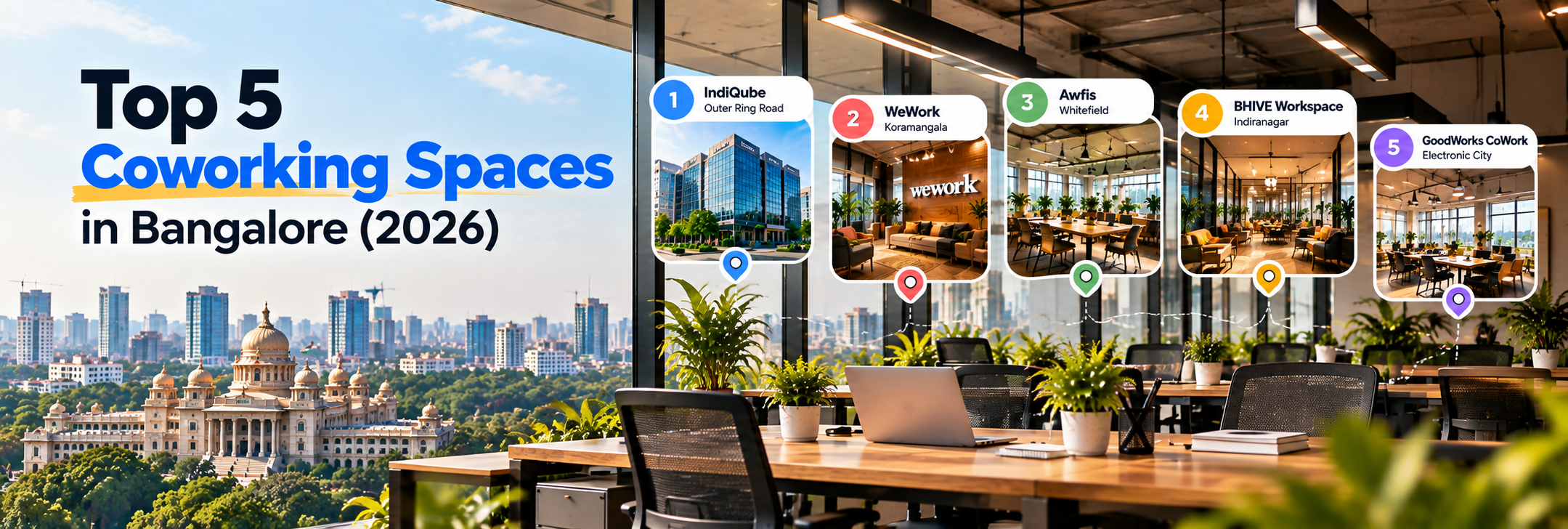
Oct 9, 2026
Top 5 Coworking Spaces in Bangalore: 2026 Guide
Looking for the best coworking spaces in Bangalore? Explore the top 5 options, compare locations, am...
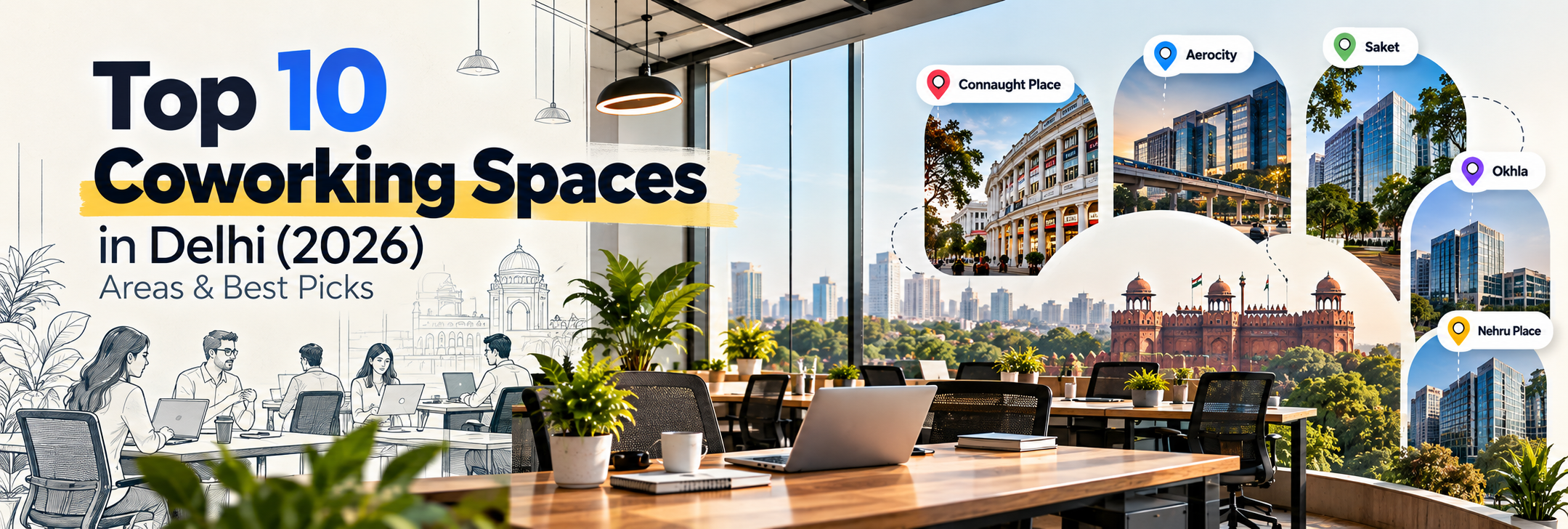
Oct 8, 2026
Top 10 Coworking Spaces in Delhi (2026): Areas & Best Picks
Delhi-NCR's flex office market hit a record in 2026, with operators taking 45% of Q2 leasing. This g...
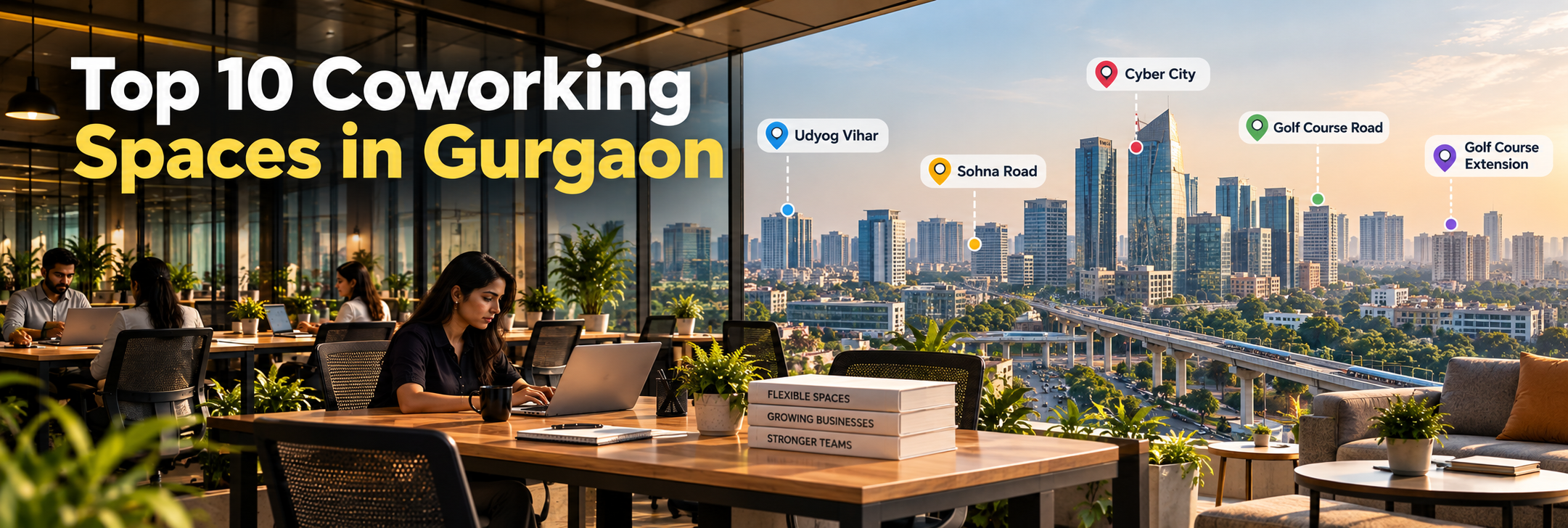
Oct 7, 2026
Top 10 Coworking Spaces in Gurgaon (2026): Prices, Locations & Amenities Compared
Compare 10 leading coworking spaces in Gurgaon by indicative desk pricing, micro-location, metro acc...